A roof window can bring light into a loft room, a landing or a dark space that has no other source. Many homes can have one added, though it is a bigger job than it looks, because it means making an opening in the roof structure.
What the work involves
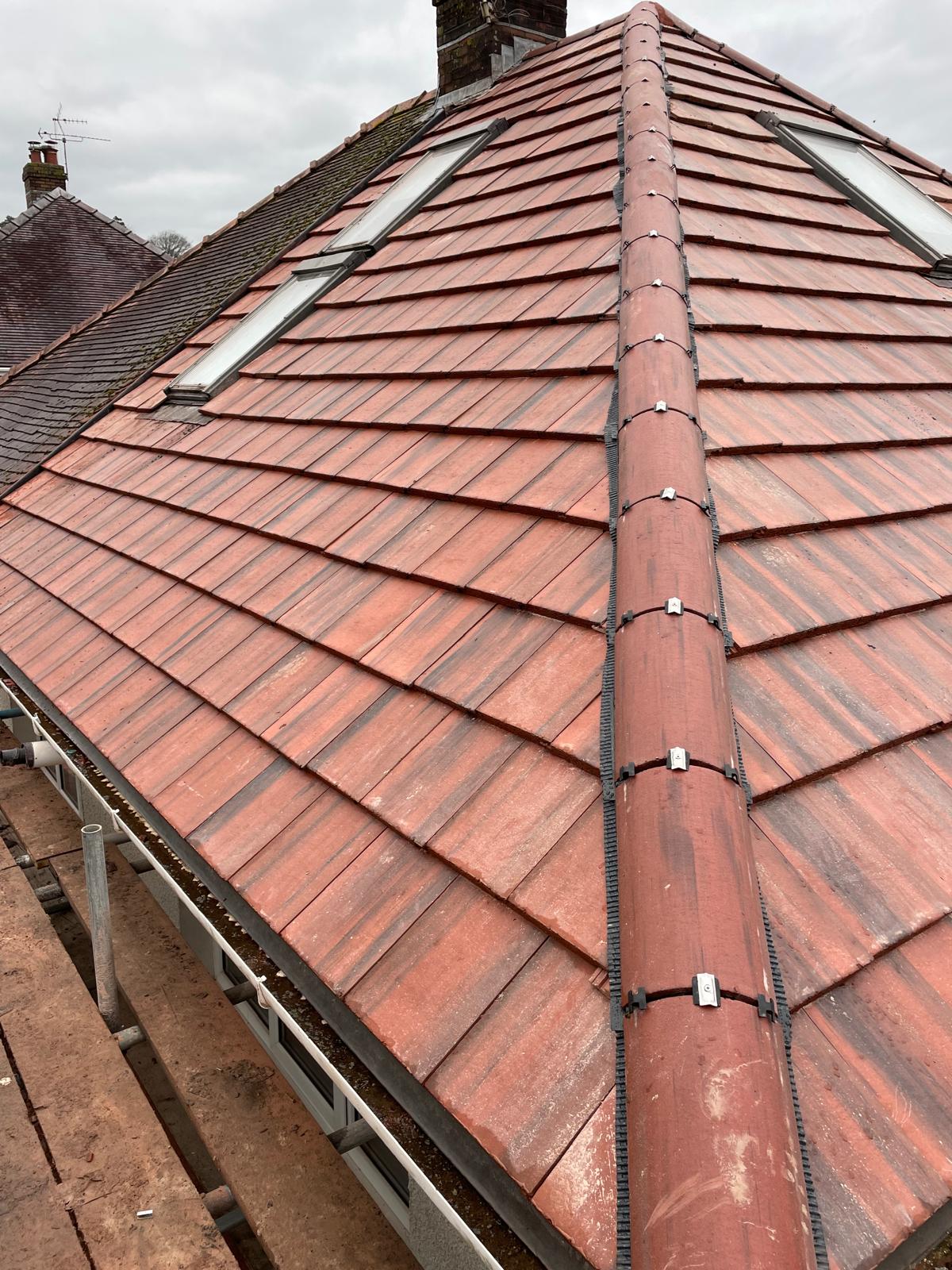
A roofer marks out the position, then removes the tiles or slates in that area and cuts the opening between the rafters. Where a rafter has to be cut, the structure is strengthened with new timbers, called trimmers, so the loads are carried safely. The window frame is fixed, the flashing kit is fitted around it and the roof covering is laid back around the edges. Inside, the opening is lined and finished.
What to check first
The position matters. The window needs to be where it gives useful light and where the roof structure allows it. The roof pitch affects which type of window is suitable. There also needs to be enough headroom inside to make use of the space.
Planning and building regulations
Roof windows on the rear or side of a house are often permitted development, but in conservation areas and on listed buildings, rules can differ, and windows on the front slope may need permission. Building regulations can also apply to the structural work and to the ventilation and escape requirements of a room. It is sensible to check with the council or ask your roofer what applies.
Which window to choose
You can choose between different sizes, opening types and finishes. Blinds, and in some cases solar or electric opening versions, can be added.
Get it fitted properly
The flashing and the weathering at the edges are what keep the window watertight, so it is worth using an experienced roofer.
See our VELUX Window Installers section or call 07766 547309.
Need a Roofer in South Wales?
Every roof is different — the fastest way to get an accurate answer is a quick chat with our team.