

Home › Dry Verge Systems
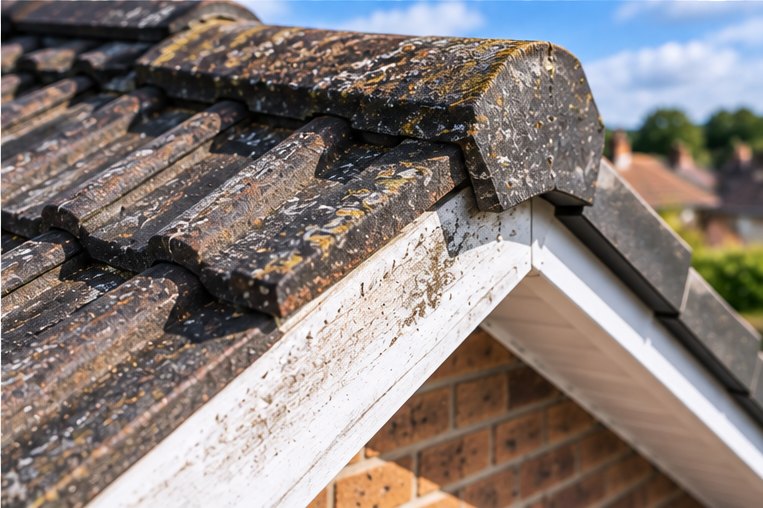
The verge is the edge of the roof where it meets a gable wall. Traditionally the last row of tiles is bedded in mortar along the top of the wall. That mortar is exposed to wind, rain and frost, and sooner or later it cracks, loosens and drops away in pieces. That is the whole case for dry verge in a sentence.
A dry verge replaces that mortar with units fixed mechanically to the roof. There is nothing to crack and nothing to wash out. It is a tidy, durable way to finish the edge, and it suits much of the housing and weather we work in across South Wales. We fit it on new roofs, re-roofs and repairs.
Call 07766 547309 or message us on WhatsApp.
What goes wrong with a mortar verge
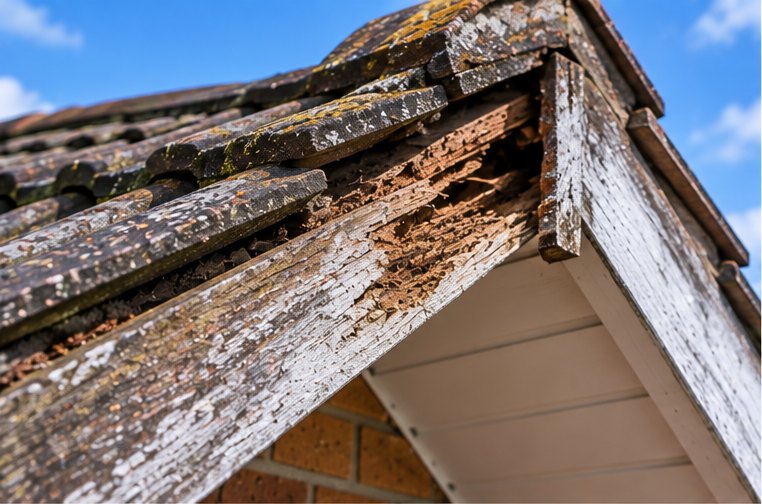
Mortar sits on a narrow bed on top of a wall, taking the full force of wind and rain, with no room to flex as the roof and wall move slightly. Hairline cracks let water in, frost opens them, and eventually chunks fall.
Once the bedding goes, the end tiles can lift in strong wind, and rain gets into the roof edge and the gable masonry. Gaps also give birds and insects a way into the roof space. The result is a roof edge that is much more likely to stay put through a hard winter.
How a dry verge works
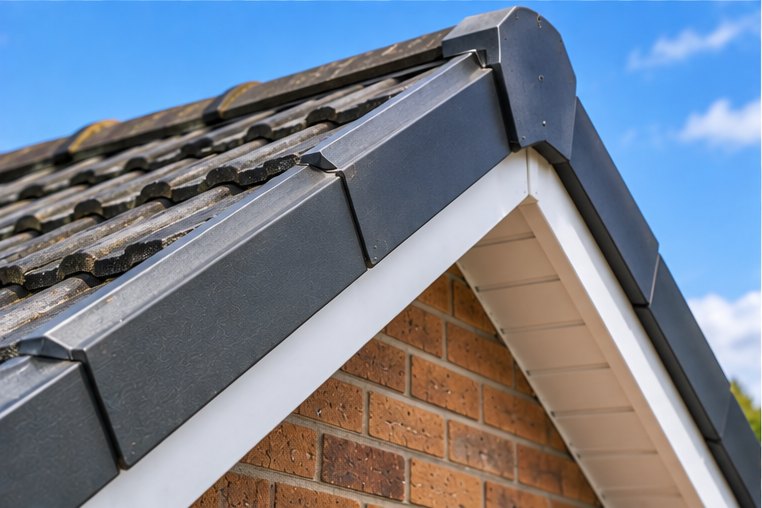
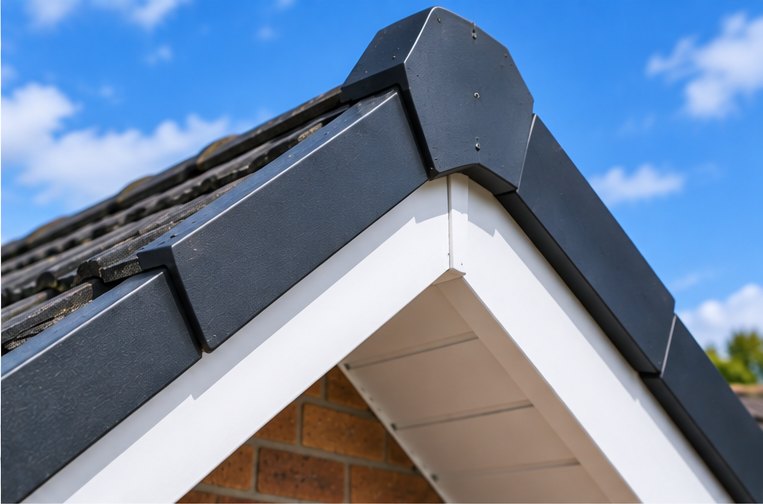
A dry verge uses a continuous trim, usually made from plastic, GRP or UPVC, fixed along the gable edge. Special verge or tile-end units clip or screw into it, and a cap or cover piece finishes the line. The tiles at the edge are held mechanically, not by mortar.
The system sheds water outwards and down, closes the gap at the edge, and allows the roof to ventilate along the verge. It comes in colours that match common tile finishes, so it sits quietly beside the roof covering. The exact make-up varies between systems, so we match it to the roof in front of us.
What it protects against
The edge of a roof is where wind lifts hardest, because air gets under the tiles and tries to peel them back. Mechanical fixing at the verge holds those end tiles down far better than a thin bed of mortar can. That wind is the main reason the edge is where most roofs start to fail.
It also keeps rain off the top of the gable wall and out of the roof edge, and it closes the gap that birds and insects like to use. Because there is no wet mortar, there is no repointing of the verge to keep returning to. Together these cover most of what goes wrong at a gable in our weather.
- Resists wind uplift at the roof edge
- Keeps rain off the gable wall top
- Blocks nesting and insect access
- No cracked or falling mortar to maintain
Where it suits best
We most often recommend dry verge on exposed coastal and hilltop gables, where the wind is strongest, and on valley-side houses that catch weather funnelling up the slope. It is an ideal finish for a re-roof, and also works for repairs where the old mortar has failed along a whole run.
It can be fitted to most common concrete and clay tile types, though the units must suit the profile of your tiles. We check the tile type first and choose a compatible system, following the tile maker's fixing guidance. Each of those is checked on site before we choose the system.
How it is fitted at a re-roof
On a re-roof, the old verge is stripped back with the tiles, the batten and underlay ends are dressed properly at the edge, and the verge trim is fixed to the rafter ends or roof structure. The tiles go on to suit, and the cap units are fitted last.
For a repair, we remove the failed mortar and loose end tiles, check the condition of the edge underneath, and fit the system along the gable. We always look at what the timbers and masonry are doing before closing it up. The process is straightforward when the roof structure beneath is sound.
Honest limits
A dry verge is a good edge detail, not a cure for a tired roof. If the tiles themselves are crumbling or the battens are rotten, fitting new verge units alone will not solve it, and we will say so. Either way, you get a straight answer on what will and will not work.
It looks different from a mortar verge, a bit cleaner and more uniform, and some owners of older period houses prefer the traditional look. We will talk through the options and let you choose. Nothing is hidden: we point out any weak points before the work starts.
Dry Verge Systems — Common Questions
What is a dry verge?
It is a gable-edge finish where the end tiles are held by mechanically fixed units, usually plastic, GRP or UPVC, instead of being bedded in mortar. There is no wet mortar to crack, so the edge stays weathertight and secure for longer than a traditional verge.
Can a dry verge be fitted to an existing roof?
Often yes, as a repair where the mortar has failed. We remove the old bedding, check the end tiles and edge timbers, and fit a compatible system. If the tiles are in poor shape, a wider repair or re-roof may make more sense, and we will tell you.
Will it match my tiles?
Dry verge units come in a range of colours and profiles designed to sit beside common concrete and clay tiles. We check your tile type before recommending a system, so the units suit the profile and look right along the gable.
Is dry verge worth it on a sheltered house?
It still removes the mortar that cracks and falls, so it can be worthwhile anywhere, but the gain is greatest on exposed gables. On a sheltered house with a sound mortar verge, repair may be perfectly adequate. We will give you an honest view.
Do you fit dry verge across South Wales?
Yes, we work in Port Talbot, Neath, Swansea, Bridgend, Porthcawl, Maesteg, Cardiff, Barry, Penarth, Pontypridd, Tonypandy, Aberdare, Caerphilly, Cwmbran and St Mellons. We are fully insured and quotations are free and without obligation.
Dry Verge Systems by Town
Other Roofing Services
Contact T&T Roofing
Tell us what the roof is doing and we will look at it. Call 07766 547309, message us on WhatsApp or use the form below.