Strong wind is one of the biggest threats to a roof, and the edges are where it attacks first. Verges, the sloping edges at gable ends, are especially exposed. How well they are fixed has a real effect on how the roof copes in a gale.
Why the edge is vulnerable
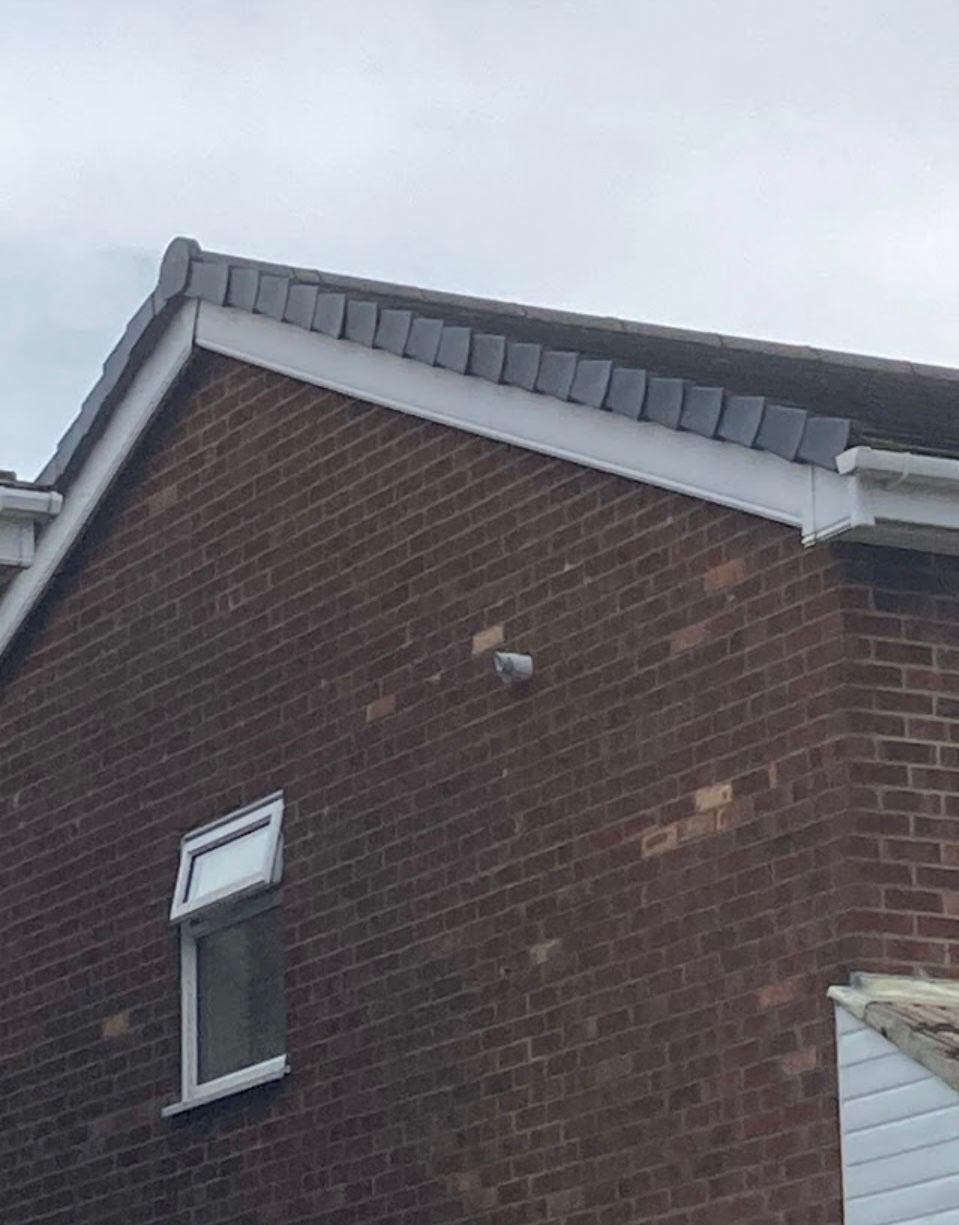
Wind hitting a gable end creates pressure and suction around the edge of the roof. If the end tiles are not firmly held, the wind can get under them and lift them. With a traditional mortar verge, the tiles depend on the bedding, which can crack and loosen over the years.
How a dry verge helps
A dry verge system holds the edge tiles mechanically, with fixings into the roof structure, rather than relying on a mortar bed. The units sit tight against the tiles and close the gap beneath, so wind has less chance to get under the edge. It is not a guarantee against storm damage, but a properly fitted system is a robust, tidy way of securing the roof's edge.
Other things that matter
The overall strength of the roof depends on more than the verge. Tiles should be fixed with suitable nails or clips, the battens need to be in good order, and ridge tiles need secure bedding or fixings. A roofer can check the whole roof.
Exposure in South Wales
Roofs on hillsides, near the coast or in open spaces take the strongest wind. In these places it is particularly worthwhile to keep the verge and ridge in good order.
Check after storms
Look at the verge after bad weather for gaps, loose tiles and debris on the ground.
See our Dry Verge Systems section or call 07766 547309 for a free quotation.
Need a Roofer in South Wales?
Every roof is different — the fastest way to get an accurate answer is a quick chat with our team.